

By Marie Rosenthal, MS
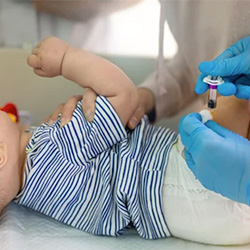
Vaccination decreased cases of varicella and resulting hospitalizations and deaths from the disease by more than 95%, according to Mona Marin, MD, who presented the data at IDWeek 2022, in Washington, D.C. (abstract 801).
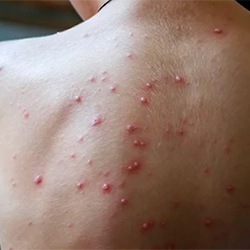
Vaccination reduced U.S. cases of the disease by 97%, hospitalizations among those younger than 20 years by 97% and deaths by 99% over rates seen before vaccination, according to Dr. Marin, who is a medical epidemiologist at the CDC’s National Center for Immunization and Respiratory Diseases.
The United States was the first country to start universally vaccinating children against varicella in 1995 after the vaccine was licensed by the FDA.
While many people think of varicella as a mild childhood illness, it is not for every patient, Dr. Marin reminded. “Varicella was a significant cause of disease burden among children. Almost everybody had varicella before the [vaccine] program was introduced,” she said.
“Although people perceive varicella as a mild disease, and indeed most people recover without complications, varicella is associated with severe presentations. And those cases that were occurring resulted in about 11,000 to 13,000 hospitalizations a year and up to 150 deaths.
“It was a burden that the United States considered unacceptable, given that other causes of disease burden and mortality like measles had been controlled,” Dr. Marin explained.
Researchers estimate routine childhood vaccination with two doses of vaccine prevents about 3.8 million cases, 10,500 hospitalizations and 100 deaths from varicella each year in the United States.
Children are not the only group to benefit. As more children were vaccinated, varicella transmission decreased significantly in the general population (97%). This shift helped protect vulnerable people who cannot receive the vaccine, such as immunocompromised individuals, pregnant people and infants too young to be vaccinated. Susceptible adults are also at high risk for serious varicella, she said.
In addition, she said, economic benefits estimated at about $23 billion were seen due to reduced medical costs and lost wages when parents had to stay home with sick children instead of going to work.
It is too early to determine whether varicella vaccination will see another benefit: a decrease in shingles. However, there are signs that this might be the case as more vaccinated people age.
“I don't think we are talking about elimination and this is not a goal of the [varicella vaccine] program,” Dr. Marin said.
Several factors are at play, she explained. Varicella is still common outside the United States, so there can be disease importation among unvaccinated people, and older people—those most affected by shingles—did not have the benefit of vaccination, so likely were infected with wild disease and are a potential source of the virus that causes varicella.
There was a concern about the varicella vaccination program increasing zoster rates among adults who were infected with wild disease, but that has not proven to be the case.
She said they are seeing reductions in shingles among children, adolescents and young adults who were more likely to be vaccinated with varicella vaccine and that the reduction in shingles rates is likely to extend to the entire population as vaccinated people age.
Reduced rates of shingles may be another plus from the routine varicella vaccination program, Dr. Marin told Infectious Disease Special Edition.
The Journal of Infectious Diseases published supplement with a collection of papers on the U.S. experience with the varicella vaccine (2022;226[S4] https://doi.org/10.1093/infdis/jiac251).